The village
Acquavella, where the land is still part of life
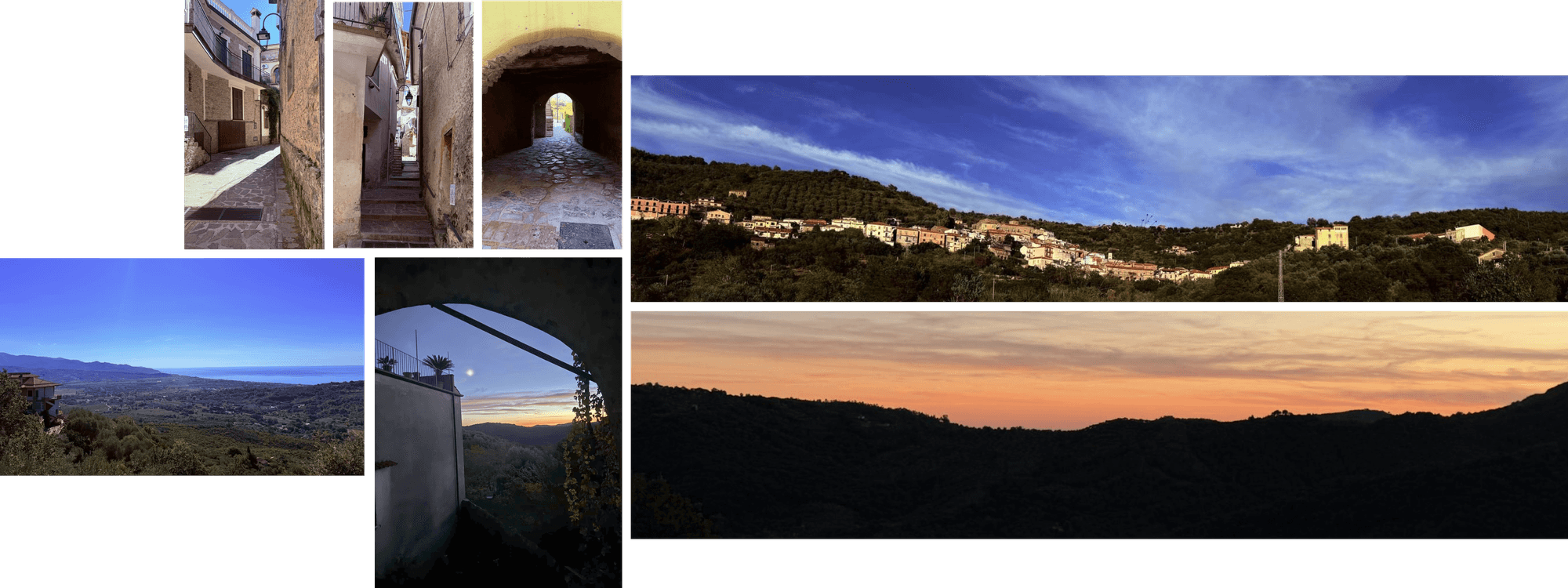
Acquavella is a small village in the Cilento, resting on the back of a hill that looks out towards the sea, visible from the village square. A tangle of alleys and stone steps climbs between the houses up to the church of San Michele Arcangelo.
Here life still revolves around the countryside. Everyone works the land, even those who are doctors, lawyers or pharmacists by trade. Days go by between work, the fields, home and a game of cards at the bar on the square, at a pace that has been lost elsewhere.
In recent years Acquavella has also welcomed many people from abroad who have chosen to live here, helping to keep the village alive and learning to work the land according to traditions handed down through generations.
We are in the Cilento, Vallo di Diano and Alburni National Park, a UNESCO World Heritage Site and the birthplace of the Mediterranean Diet. A few kilometres away lie the remains of Velia, ancient Elea of Magna Graecia, home of Parmenides and Zeno and of the Eleatic School of philosophy.
Olive trees have been grown here for almost three thousand years. And, in many ways, they still are, just as they were then.
The name
A name that comes from water
The name Acquavella recalls the many springs in its territory, such as Lacco, Fontanella, della Selva, del Mercante and San Giorgio, already used in the Middle Ages by Basilian monks from the East.
The village sits on a broad hilltop plateau open to the south: the view sweeps from the slopes of Monte Stella to the sea, from Punta Palinuro to Acciaroli. All around are olive groves, vineyards and centuries-old oaks; among the products of its land, as always, olive oil, figs and wine.
History
A thousand years of history
- 12th centuryDocuments of the Abbey of Cava record gifts of land at Acquavella between 1114 and 1118.
- 1509Acquavella breaks away from the Barony of Cilento and becomes an independent fief.
- 1734The title of Duke of Acquavella is granted.
- 1806Acquavella, until then an independent community, is joined to Casal Velino.
The village today
Capo Casale and Pere Casale
The village is divided into two quarters, Capo Casale and Pere Casale, which meet in front of the church of San Michele Arcangelo. Built around the year 1000 and decorated anew in the late 19th century, it houses the statue of the Madonna delle Grazie, carried in procession through the village streets every five years, on 2 July.
Among the houses of the village stand the ducal tower of the Sanfelice family, Palazzo Severini and, in the Pere Casale quarter, Palazzo Musto, our family home, which today also hosts cultural events for the local community.
Our oil is born here
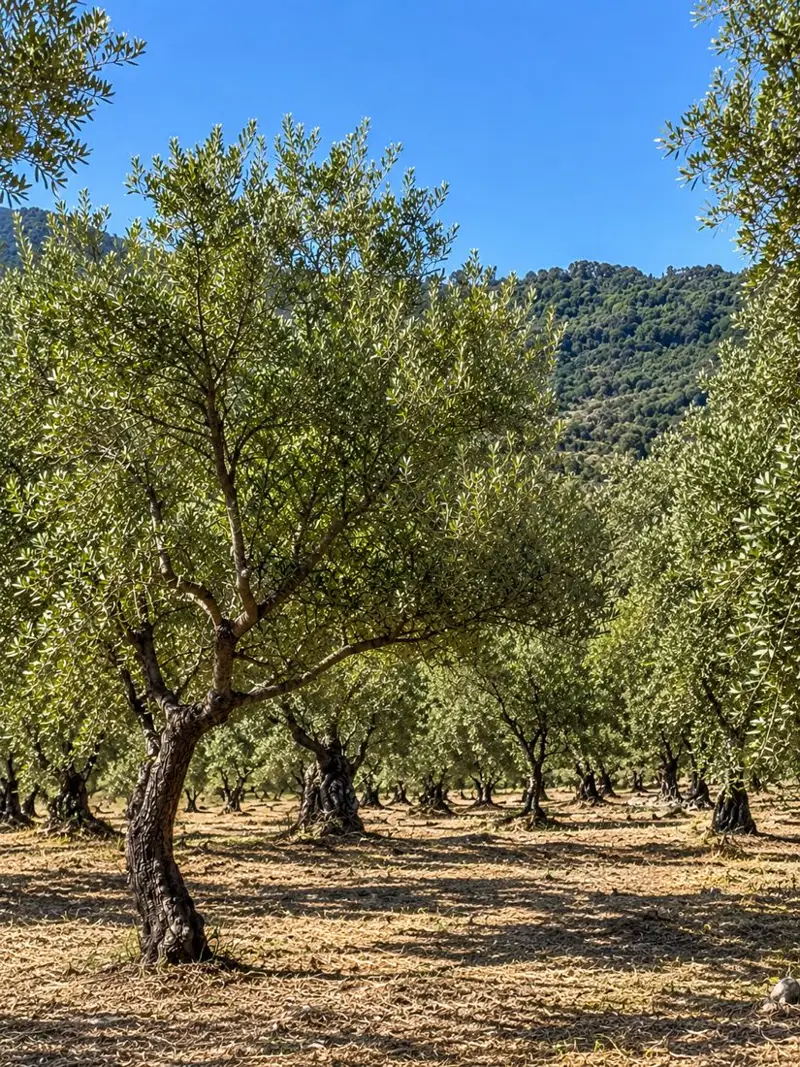
At Acquavella we grow only Salella, an ancient variety of the Cilento, and harvest it early for an oil richer in polyphenols.
Find out more
Useful links
- Municipality of Casal Velino
Official website of the Municipality - Acquavella on Visit Cilento
The village, its quarters and landscape - Acquavella on Italia.it
Italy's official tourism portal - Acquavella on Cilento on the Road
The history of the fief and the church of San Michele - The Cilento and its National Park
Elea, UNESCO and the Mediterranean Diet